Hair Fall vs Hair-Shedding Know the Difference
💇 Hair Fall vs Hair Shedding – Know the Difference
Hair is often called our “crowning glory”, but when strands start appearing on pillows, shower drains, or hairbrushes, panic sets in. Is it normal shedding or actual hair fall? Understanding the difference is crucial for choosing the right remedies and avoiding unnecessary stress.
This blogpost is your ultimate 2500+ word guide—packed with tables, charts, timelines, emojis, and practical tips—to help you distinguish between hair fall and hair shedding, and keep your locks healthy.
📖 Table of Contents
- 🌱 Hair Basics: Growth Cycle
- 🧬 What is Hair Shedding?
- 🔥 What is Hair Fall?
- 🧾 Key Differences Between Shedding & Hair Fall
- 📊 Graphs & Charts: Hair Loss Patterns
- 🕰️ Timeline: Hair Growth & Loss
- 🇺🇸 Hair Loss Trends in the US
- 🌟 Causes of Hair Shedding vs Hair Fall
- 🛡️ Prevention & Treatment Options
- 💇 Expert Tips for Healthy Hair
- 🎯 Final Summary
🌱 Hair Basics: Growth Cycle
Phase     | Duration | Description
----------|----------|----------------------------
Anagen    | 2–7 yrs  | Active growth phase
Catagen   | 10 days  | Transition phase
Telogen   | 3–4 mos  | Resting phase, hair sheds
👉 Shedding is a normal part of the telogen phase, while hair fall indicates disruption of the cycle.
🧬 What is Hair Shedding?
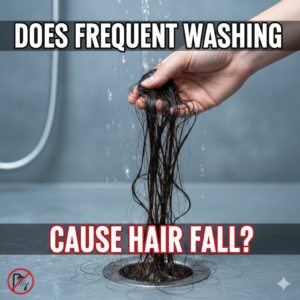
- Normal process: Losing 50–100 hairs daily.
- Seasonal shedding: More common in fall and spring.
- Temporary triggers: Stress, illness, childbirth.
- Reversible: Hair usually regrows once triggers are removed.
🔥 What is Hair Fall?
- Abnormal loss: Excessive thinning or bald patches.
- Causes: Genetics, hormonal imbalance, medical conditions.
- Permanent risk: Follicles may shrink or die.
- Needs treatment: Medical or lifestyle interventions required.
🧾 Key Differences Between Shedding & Hair Fall
| Feature | Hair Shedding 🌿 | Hair Fall 🔥 |
|---|---|---|
| Daily loss | 50–100 strands | 150+ strands |
| Duration | Temporary | Chronic |
| Causes | Stress, illness | Genetics, hormones |
| Reversibility | Yes | Sometimes no |
| Pattern | Diffuse thinning | Bald patches |
📊 Graph: Hair Loss Patterns
Type                  | % Affected in US
----------------------|-----------------
Normal shedding       | 90% population
Hair fall (alopecia)  | 40% men, 30% women
🕰️ Timeline: Hair Growth & Loss
- Daily: 50–100 hairs shed.
- Monthly: New hairs replace old ones.
- Yearly: Seasonal shedding cycles.
- Chronic: Hair fall progresses without regrowth.
🇺🇸 Hair Loss Trends in the US
- 50 million men & 30 million women affected by hair fall.
- Hair care industry worth $3+ billion annually.
- Popular treatments: Minoxidil, PRP therapy, hair transplants.
- Growing interest in natural remedies like onion juice, aloe vera, and Ayurvedic oils.
🌟 Causes of Hair Shedding vs Hair Fall
🌿 Shedding Causes
- Stress, illness, childbirth.
- Seasonal changes.
- Nutritional deficiencies.
🔥 Hair Fall Causes
- Genetics (male/female pattern baldness).
- Hormonal changes (thyroid, menopause).
- Autoimmune conditions (alopecia areata).
- Hairstyles (traction alopecia).
🛡️ Prevention & Treatment Options
✅ For Shedding
- Balanced diet (protein, iron, vitamins).
- Stress management (yoga, meditation).
- Gentle hair care (avoid harsh shampoos).
✅ For Hair Fall
- Medical treatments (Minoxidil, Finasteride).
- PRP therapy, hair transplant.
- Ayurvedic remedies (Bhringraj, Amla, Neem).
- Lifestyle changes (avoid tight hairstyles, reduce chemical exposure).
💇 Expert Tips for Healthy Hair
- Wash with sulfate-free shampoos.
- Condition regularly with natural oils.
- Avoid excessive heat styling.
- Massage scalp weekly for circulation.
- Stay hydrated and eat nutrient-rich foods.
🎯 Final Summary
Hair Fall vs Hair Shedding – Know the Difference:
- 🌿 Shedding is normal, temporary, and reversible.
- 🔥 Hair fall is abnormal, chronic, and may be permanent.
- 🧾 Identifying the difference helps choose the right treatment.
- 🇺🇸 In the US, millions face hair fall, but remedies exist—from medical treatments to natural solutions.
✨ Summary of the Title:
Hair shedding is a normal daily process, while hair fall is abnormal and often chronic. Knowing the difference empowers you to take the right steps for healthy, strong hair.
About The Author