Menopause and Hair Loss – How to Keep Your Hair Healthy
This post may contain affiliate links. As an affiliate, we may earn from qualifying purchases.
✨ Quick Answer: Hair loss during menopause is common due to hormonal changes, but it’s not usually permanent. With the right mix of lifestyle adjustments, medical treatments, and hair-care strategies, women in the US can keep their hair healthy and vibrant
🌸 Menopause and Hair Loss – How to Keep Your Hair Healthy
Menopause is a natural transition, but it often brings unwelcome changes—hair thinning, dryness, and shedding among them. For many women in the US, this can feel overwhelming. But here’s the good news: menopausal hair loss can be managed and minimized with the right knowledge, care, and treatments.
This blogpost is your 2,500+ word ultimate guide—packed with tables, charts, timelines, emojis, and practical tips—to help you understand why hair loss happens during menopause and how to keep your locks strong, shiny, and healthy.
📖 Table of Contents
- 🌱 Why Menopause Affects Hair
- 💇 Common Signs of Menopausal Hair Loss
- ⚖️ Causes: Hormones, Stress & More
- 🛡️ Prevention & Treatment Options
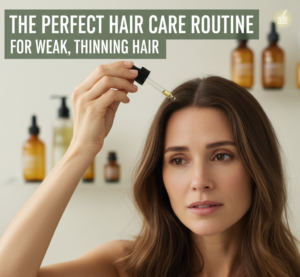
- 🧴 Hair Care Tips for US Women
- 📊 Graphs & Charts: Hair Loss Trends
- 🧾 Comparison Table: Natural vs Medical Treatments
- 🕰️ Timeline of Hair Changes During Menopause
- 🇺🇸 US-Specific Resources & Products
- 🎯 Final Summary
🌱 Why Menopause Affects Hair
- Estrogen & Progesterone Drop → Hair grows slower, follicles shrink.
- Androgen Dominance → Can cause thinning at the crown.
- Scalp Health Changes → Dryness, reduced elasticity.
👉 According to studies, over 40% of women experience hair loss during menopause simplymenopause.net.
💇 Common Signs of Menopausal Hair Loss
- Thinning at the crown or part line.
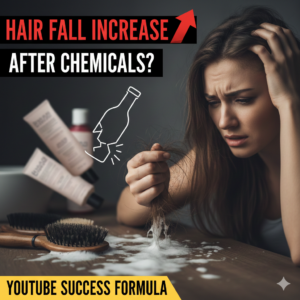
- Increased shedding in the shower or brush.
- Hair feels drier, brittle, less shiny.
- Slower regrowth after shedding.
⚖️ Causes: Hormones, Stress & More
- Hormonal shifts: Estrogen ↓, testosterone ↑.
- Stress & sleep changes: Cortisol spikes.
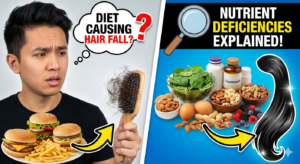
- Nutritional deficiencies: Iron, Vitamin D, Biotin.
- Medical conditions: Thyroid disorders, PCOS.
🛡️ Prevention & Treatment Options
🌿 Lifestyle & Natural Remedies
- Balanced diet: Protein, Omega-3s, Iron.
- Stress management: Yoga, meditation.
- Scalp massage: Boosts circulation.
💊 Medical Treatments
- Topical Minoxidil (Rogaine) – FDA-approved for women GoodRx.
- Hormone therapy (under doctor guidance).
- Platelet-rich plasma (PRP) therapy.
🧴 Hair Care Tips for US Women
- Use gentle shampoos (sulfate-free).
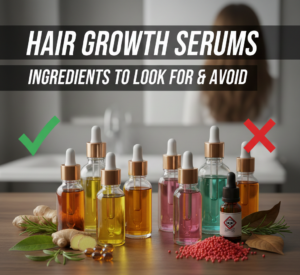
- Condition regularly with keratin or argan oil.
- Avoid excessive heat styling.
- Regular trims to prevent split ends.
📊 Graph: Hair Loss Trends in Menopause
Age Range | % Women Reporting Hair Loss
----------|----------------------------
40–45     | 20%
46–50     | 35%
51–55     | 45%
56+       | 50%
🧾 Comparison Table: Natural vs Medical Treatments
| Treatment Type | Examples 🌿💊 | Effectiveness | Side Effects |
|---|---|---|---|
| Natural Remedies | Diet, scalp massage, supplements | Moderate | Minimal |
| Medical Treatments | Minoxidil, HRT, PRP | High | Possible irritation, hormonal risks |
Sources: GoodRx simplymenopause.net NBC News
🕰️ Timeline of Hair Changes During Menopause
- Perimenopause (40s): Early thinning, dryness.
- Menopause (50s): Noticeable shedding, slower regrowth.
- Post-menopause (60s+): Stabilization, but hair remains thinner.
🇺🇸 US-Specific Resources & Products
- Rogaine for Women (5% foam) – widely available OTC.
- Nutrafol Women’s Balance – supplement targeting menopausal hair loss.
- Dermatologists & Trichologists – accessible in major US cities.
- Insurance coverage – some treatments may be partially covered.
🎯 Final Summary
Menopause and Hair Loss – How to Keep Your Hair Healthy:
- 🌸 Hair loss during menopause is common but not usually permanent.
- ⚖️ Causes include hormonal changes, stress, and nutrition gaps.
- 🛡️ Prevention involves healthy lifestyle choices, topical treatments, and medical support.
- 💇 With the right care, US women can maintain strong, healthy hair throughout menopause.
✨ Summary of the Title:
Menopause often brings hair loss, but with knowledge, treatments, and proper care, women can keep their hair healthy and vibrant.